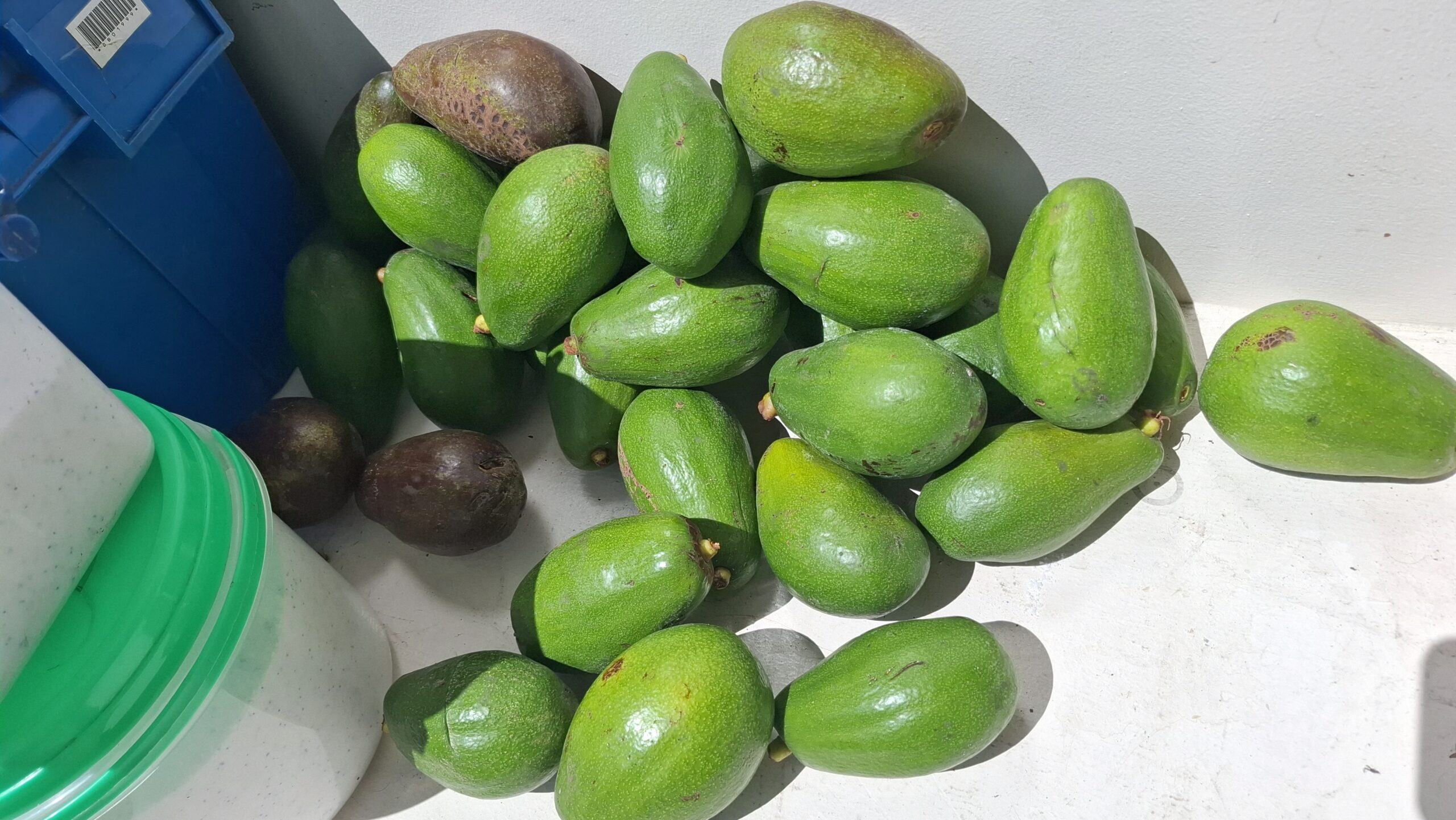
There’s something sensual about guacamole.
It’s not just the texture—it’s the rhythm.
Chop. Scoop. Mash. Stir.
This isn’t just a dip—it’s a celebration of avocado season in its freshest, most playful form.
Introduction: The Soul of the Avocado Season
There’s something sensual about guacamole. It’s not just the texture—it’s the rhythm. Chop. Scoop. Mash. Stir. This isn’t just a dip—it’s a celebration of avocado season in its freshest, most playful form. More than a simple condiment, guacamole is a vibrant tapestry woven through centuries, from ancient rituals to modern-day feasts. Join us as we explore the rich story and endless possibilities of this creamy green delight, a true testament to the magic of the avocado.
More Videos Here 👉 WhisperTechAI on YouTube
Table of Contents
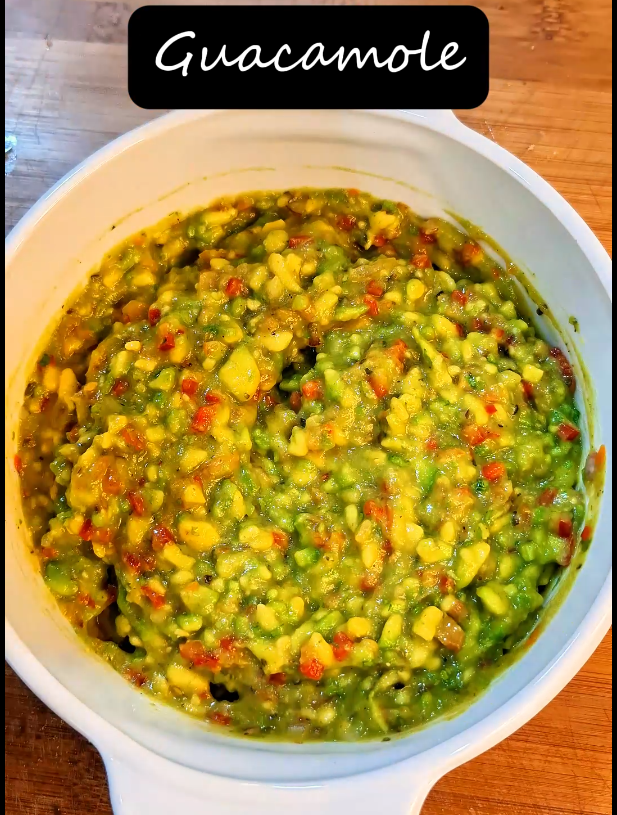
Guacamole in one Bowl
Ingredients
Method
- Slice avocados, remove pits, and scoop into bowl.
- Add red onion, tomato, garlic, and cilantro.
- Squeeze fresh lime juice over mix.
- Season with salt and pepper.
- Mash gently—keep it rustic, not puréed.
- Serve immediately with chips or spread on warm toast.
More Recipes Here 👉 WhisperTechAI Recipes Page
A. From Ancient Aztec Delicacy to Global Icon: The Rich History of Guacamole
Guacamole, known as “āhuacamōlli” (meaning “avocado sauce”) by the Aztecs, boasts a history as rich and vibrant as its flavor. Dating back to the 14th-16th centuries in Mesoamerica, this foundational dish was created by mashing avocados with a mortar and pestle, often combined with tomatoes, green chilies, and salt. The Aztecs, who believed avocados possessed mystical powers and even considered them an aphrodisiac, quickly made this nutritious sauce a dietary staple.
When Spanish conquistadors arrived in the 16th century, they too developed a taste for “ahuacamolli.” They introduced new ingredients like onions, lime, and cilantro, shaping it into a precursor of the guacamole we know today. However, due to the avocado’s delicate nature and the inability to grow it in Europe, guacamole remained a regional treasure for centuries. Its journey to worldwide popularity was a slow burn, ignited in the late 20th century with the growing appreciation for Mexican cuisine and the lifting of import bans in the United States. Today, this traditional Mexican dip has transcended borders, becoming a beloved presence in global cuisine and a cornerstone of celebrations everywhere.
B. Beyond the Bowl: Creative Ways to Savor Your Guacamole
While undeniably perfect with a pile of crispy tortilla chips, guacamole’s creamy texture and zesty flavor make it incredibly versatile. Don’t limit this green goddess to just a dip! Here are exciting ways to integrate guacamole into your culinary adventures:
- Sandwich and Wrap Spread: Ditch the mayo and slather guacamole on your favorite sandwiches or wraps for a healthier, flavor-packed alternative. It’s particularly delicious with turkey, chicken, or veggie fillings.
- Breakfast Booster: Elevate your morning routine by adding a dollop to scrambled eggs, breakfast burritos, or even as a base for an upgraded avocado toast. The healthy fats will keep you feeling full and energized.
- Salad Creamer: Use it as a binder for creamy chicken, tuna, or potato salads, or thin it out slightly with a little extra lime juice and water to create a vibrant salad dressing.
- Burger & Taco Topping: A generous scoop of guacamole is the ultimate topping for juicy burgers, sizzling fajitas, and, of course, all kinds of tacos – from beef to fish to plant-based options.
- Stuffed Delights: Incorporate it into quesadillas, deviled eggs, or even as a topping for baked potatoes for a rich and satisfying twist.
C. Guacamole’s Philippine Connection: A Tropical Evolution
Avocados, locally known as “abokado,” were introduced to the Philippines by the Spaniards around 1890, with seeds brought from Mexico. They quickly found a home in the tropical climate, thriving across the archipelago, often cultivated in backyards. While avocados are typically associated with savory dishes like guacamole in the West, their arrival in Southeast Asia saw them embraced in unique ways.
In the Philippines, the avocado has a long fruiting season, generally from May to September, with some regions experiencing a peak from January to March. While you can find savory applications, Filipinos often enjoy avocados as a dessert fruit, commonly paired with milk and sugar, or incorporated into ice cream and refreshing shakes. The preference for the purple-fruited varieties is notable here, offering a distinct flavor profile. Despite these sweet inclinations, the creamy richness of “abokado” makes it a natural fit for savory preparations like guacamole, showcasing its adaptability and cementing its place as a beloved seasonal fruit, bridging culinary traditions from across the globe.
D. Fun Facts & Nutritional Powerhouse
Guacamole is more than just delicious; it’s packed with history and health benefits:
- The “Alligator Pear”: Before it was widely known as “avocado,” the fruit was often referred to as an “alligator pear” due to its bumpy, green skin.
- Nutrient-Dense Superfruit: Avocados are botanically a single-seeded berry, rich in healthy monounsaturated fats, dietary fiber, potassium, and vitamins K, E, and B-vitamins. These nutrients support heart health, digestion, and overall well-being.
- A Symbol of Celebration: In many cultures, especially in Mexico and the United States, guacamole is a beloved fixture at gatherings, holidays, and major events like the Super Bowl, symbolizing good times and shared joy.
- Preventing Browning: To keep your guacamole vibrant green, the lime juice not only adds flavor but also helps prevent oxidation. Storing it in an airtight container with minimal air exposure (or even pressing plastic wrap directly onto the surface) can also work wonders.