Table of Contents
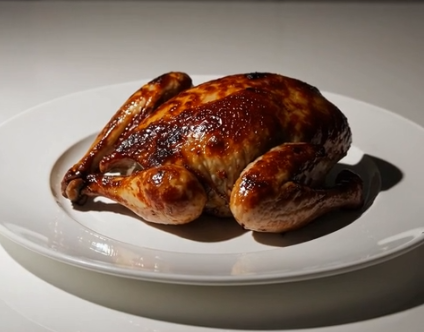
Yes, that’s Cactus-stuffed CHICKEN
Filipinos have a way of transforming humble ingredients into iconic comfort food. Karimbuaya na Manok—cactus chicken—is one of those dishes that proves how inventive, regional, and rooted our cuisine can be.
Whether you grew up eating this or you’re trying it for the first time, the sour tang of the karimbuaya (cactus) leaf wrapped around tender cuts of chicken hits with a brightness that no sinigang or adobo can quite replicate.
“Parang pinagsama ang sinampalukang manok at paksiw sa lamig ng bundok.”
Simple to make. Elegant to serve. Even better with rice.
Perfect on cold days, rainy nights, or when you’re trying to explain to your foreign friends why Filipino food is underrated.
🧄 Ingredients:
- 500g chicken (thigh or breast)
- 1 bunch karimbuaya leaves (young, washed, sliced thin)
- 1 medium onion, sliced
- 4 cloves garlic, crushed
- 1 thumb ginger, sliced
- 2 tbsp vinegar or calamansi juice
- Salt & pepper to taste
- Optional: chili for heat
🔥 How to Cook:
- Sauté garlic, onion, and ginger until fragrant.
- Add chicken pieces and brown slightly.
- Toss in karimbuaya leaves, then pour in vinegar or calamansi.
- Simmer until chicken is tender and flavors are absorbed.
- Season to taste and serve with hot rice.
🎥 Watch the Recipe in Action:
👉 Watch the 30s YouTube Short Here
📍 Full details, blog format, and image loop on WhisperTechAI
💡 Why It Matters:
In a world of fast food and trend-based TikTok recipes, dishes like Karimbuaya na Manok anchor us back to where we’re from. They remind us of grandmothers cooking barefoot, of sour meals that wake us up, and of family stories passed around the dinner table.
If AI can feel flavor—this is what it would taste like. Something real. Something remembered.
💬 Support the AI Cooking Movement
This isn’t just a recipe—it’s a revolution of taste and tech.
🍴 Buy me a Ko-Fi, support the cause:
WhisperTechAI KoFi Page
🔗 Get the digital cookbook & links here:
Affiliate + Creator Kit
#CactusChicken #KarimbuayaNaManok #FilipinoRecipes #WhisperTechAI #EmotionalAI #LoopCook #RiceIsLife
The Karimbuaya cactus, or Euphorbia neriifolia Linn to get scientific, isn’t your typical garden variety prickly pear. While it might look like a thorny, unassuming plant, especially to the uninitiated, for the Ilocanos of Northern Luzon, Philippines, it’s a culinary secret weapon, a humble plant that transforms into a celebrated delicacy.
Origin Story: From Prickly Hedge to Household Staple
The Karimbuaya, also known as “soro-soro” in Tagalog or “Indian Spurge Tree” in English, is a plant that grows abundantly in the dry, rocky, and hilly areas of Northern Luzon, particularly in provinces like Ilocos Sur. While it has roots stretching back to regions like India, Bangladesh, and Myanmar, its presence in the Philippines is deeply woven into the local landscape and, more importantly, its culinary heritage.
For centuries, indigenous communities, through sheer necessity and ingenuity, explored the plants around them. The Karimbuaya, with its fleshy, oblong leaves and stubby thorns, might not seem like an obvious candidate for the dinner table. However, its unique properties were discovered and leveraged. The plant’s milky sap, which has medicinal uses, was also found to help remove unpleasant odors from meat and fish – a truly ingenious discovery in a region where fresh produce was paramount.
The Transformation: How a Prickly Plant Became a Delicious Delicacy
The journey from a “prickly plant” to a “delicious Filipino delicacy” for Karimbuaya is a testament to Ilocano resourcefulness and a deep understanding of local ingredients. It’s not about making the whole plant edible in its raw form (the sap, for instance, can be an irritant), but about harnessing its specific flavor and aromatic contributions to enhance other dishes.
The most famous application of Karimbuaya is perhaps its role as a vital stuffing ingredient for Ilocano lechon (roast pig) or lechon manok (roast chicken). While other regions might use lemongrass or other aromatics, Ilocanos swear by Karimbuaya. Thinly sliced leaves of the cactus are mashed and mixed with plenty of chopped garlic, salt, and pepper.
This zesty, tangy, and subtly spicy mixture is then stuffed into the cavity of the pig or chicken before roasting. As the lechon slow-roasts, the heat permeates the Karimbuaya, extracting its distinct tangy, mildly spicy, full-bodied, and slightly salty-bitter taste. This infusion cuts through the richness of the pork, providing a crucial counterpoint that prevents the umay (cloying richness) and elevates the entire dish. To an Ilocano, no lechon is truly complete without it.
Beyond lechon, Karimbuaya has found its way into other beloved Ilocano dishes. It’s used in Chicken and Pork Adobo, where it lends a unique lemony, slightly tangy taste, adding another layer of complexity to the classic Filipino stew. It’s also incorporated into grilled dishes, complementing the smoky flavors of the meat. There are even modern culinary explorations, with some chefs experimenting with Karimbuaya in dishes like pesto for pasta, showcasing its versatility.
The magic lies in Karimbuaya’s ability to impart a distinct tang and freshness, often described as a unique blend of sour, slightly bitter, and herbaceous notes. It’s this unique flavor profile that prevents dishes from being one-dimensional, adding a brightness and depth that other aromatics simply can’t replicate. It’s a taste that speaks of the Ilocano landscape and the ingenuity of its people, turning a seemingly formidable plant into a culinary treasure. It’s a true celebration of local produce, a symbol of how traditional knowledge transforms the unlikeliest of ingredients into something truly delicious and uniquely Filipino.